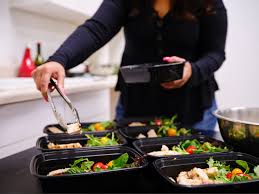
Meal prepping doesn’t have to be time-consuming or wasteful. With a few smart strategies, you can save time, eat healthy, and reduce your environmental impact.
1. Plan Your Meals Ahead
- Create a weekly menu to avoid impulse buying.
- Focus on plant-based meals or include more vegetables and legumes.
- Choose recipes that can use overlapping ingredients to minimize waste.
2. Shop Smart and Locally
- Buy fresh produce from local farmers or farmers’ markets.
- Choose seasonal fruits and vegetables—they have a smaller carbon footprint.
- Bring reusable shopping bags and avoid packaged or single-use items.
3. Cook in Batches
- Prepare large portions of staples like grains, beans, and roasted vegetables.
- Use one-pot meals or sheet pan recipes to save time and energy.
- Cook versatile ingredients that can be used in multiple meals throughout the week.
4. Store Food Sustainably
- Use glass containers, stainless steel, or BPA-free reusable containers.
- Label containers with dates to track freshness and reduce food waste.
- Freeze leftovers if you won’t consume them within a few days.
5. Reduce Food Waste
- Save vegetable peels, stems, or leftovers for soups, stocks, or smoothies.
- Compost scraps instead of throwing them away.
- Plan portions realistically to avoid cooking more than needed.
6. Choose Sustainable Proteins
- Include plant-based proteins like beans, lentils, tofu, or tempeh.
- If consuming meat, choose responsibly-sourced or local options.
- Mix proteins to reduce reliance on high-carbon-footprint foods.
7. Use Energy-Efficient Cooking Methods
- Batch-cook with minimal use of ovens or stovetops.
- Use pressure cookers, slow cookers, or air fryers to save energy.
- Cook multiple dishes at once when possible to maximize efficiency.
8. Keep It Simple
- Pre-chop vegetables or make salads ahead of time.
- Pre-make dressings, sauces, or marinades in small jars.
- Avoid overly complex meals that require excessive packaging or energy.
9. Reuse and Recycle
- Reuse containers, jars, and utensils.
- Recycle packaging whenever possible.
- Repurpose leftovers into new meals (e.g., stir-fries, wraps, or soups).
10. Make It a Habit
- Set aside a consistent meal prep time each week.
- Keep a rotating menu of easy, sustainable recipes.
- Involve family or roommates to share the effort and make it fun.
💡 Quick Tip: Even 1–2 hours of prep on the weekend can save hours during the week while reducing waste and your carbon footprint.