Everything you need for day hikes & short treks
Whether you’re heading into the woods, up a mountain, or through your local park, having the right gear makes hiking safer, more enjoyable, and way more comfortable. Here’s a breakdown of must-have hiking essentials for beginners, categorized for easy planning.
🎒 1. The 10 Hiking Essentials (Must-Haves)
These are the foundational items that every hiker should bring—no matter the trail length or weather.
| Item | Why It Matters |
|---|---|
| 🧭 Navigation | Map, compass, or GPS (offline apps like Gaia GPS or AllTrails) |
| 🕶️ Sun Protection | Sunglasses, sunscreen, lip balm with SPF, hat |
| 🔥 Fire Starter | Waterproof matches, lighter, or fire starter |
| 💊 First Aid Kit | Small, lightweight kit with bandages, antiseptic, tweezers, etc. |
| 🧥 Extra Clothing | For weather changes: windbreaker, base layer, hat/gloves |
| 💧 Water | 1–3 liters depending on hike; add water filter or purification tablets |
| 🍎 Food | Snacks like trail mix, granola bars, jerky, or fruit |
| 🔦 Headlamp or Flashlight | With extra batteries, even for day hikes (just in case) |
| 🔪 Knife or Multi-tool | For emergencies or gear repair |
| 🐻 Emergency Shelter | Lightweight tarp, bivvy sack, or emergency blanket |
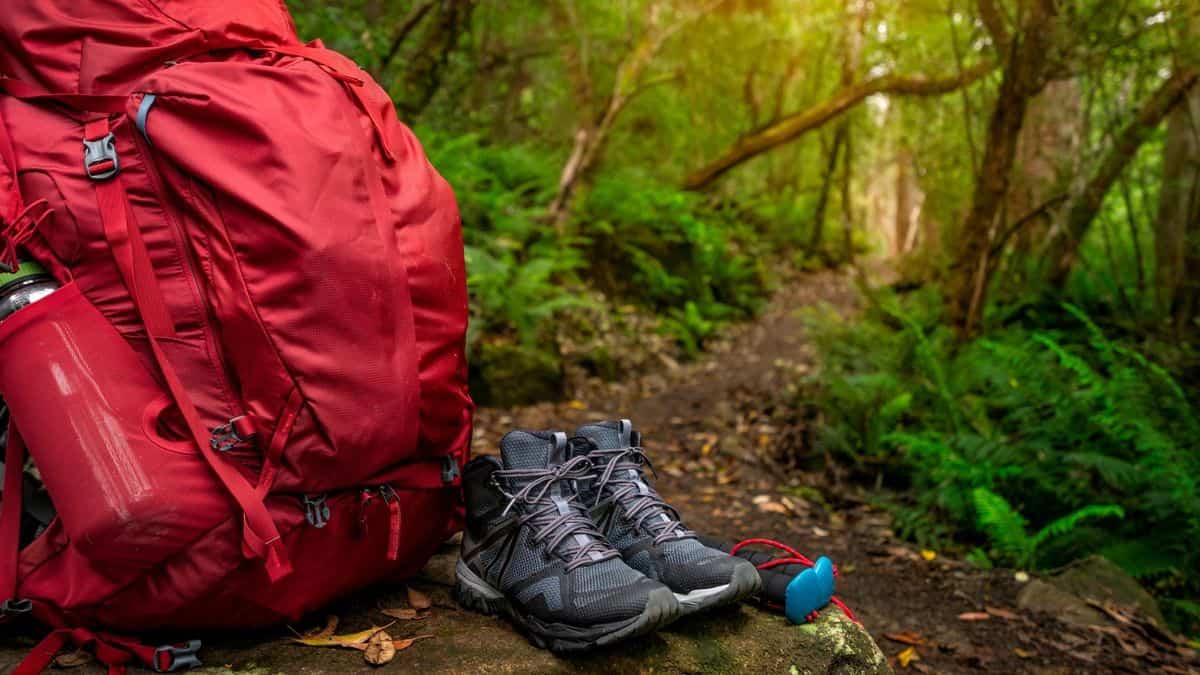
🎒 2. Day Pack
A good daypack (15–30 liters) should be:
- Comfortable with padded straps
- Lightweight
- Hydration-compatible (holds water bladder or bottles)
- Have compartments for organization
✅ Recommended: REI Flash 22, Osprey Daylite Plus
👕 3. Clothing (Layering System)
Dress in layers so you can adjust to changing weather or exertion levels.
➤ Base Layer (next to skin)
- Moisture-wicking shirt (avoid cotton)
- Lightweight leggings or shorts
➤ Mid Layer (insulation)
- Fleece or lightweight down jacket
➤ Outer Layer (protection)
- Waterproof/windproof shell or rain jacket
➤ Accessories
- Hat or cap (for sun)
- Lightweight gloves (in cool weather)
- Buff or bandana (versatile for sun, sweat, wind)
✅ Quick-dry and breathable fabrics are key.
🧦 4. Footwear
Your shoes can make or break your hike.
- Hiking boots (for rough terrain or ankle support)
- Trail runners (lighter, better for well-maintained trails)
- Moisture-wicking socks (avoid cotton—go wool or synthetic)
✅ Break in your shoes before a long hike!
💧 5. Water & Hydration Gear
- Reusable water bottle (like Hydro Flask or Nalgene)
- Hydration bladder (CamelBak)
- Water filter or purification tablets (Sawyer Mini, LifeStraw)
✅ Drink before you feel thirsty. Dehydration sneaks up fast.
🥪 6. Snacks & Food
Bring more than you think you need!
- Trail mix
- Energy bars
- Dried fruit or jerky
- Nut butter packets or sandwiches
✅ Avoid heavy or overly salty foods.
🧢 7. Optional (But Useful) Extras
- Trekking poles (reduce knee strain and improve stability)
- Bug spray
- Gaiters (keep dirt and bugs out of shoes)
- Notebook & pen (for journaling or notes)
- Binoculars (for wildlife watching)
📱 8. Apps & Tech
- AllTrails / Gaia GPS / Maps.me (download maps offline)
- Phone power bank
- Emergency whistle or personal locator beacon (PLB) for remote hikes
✅ Always let someone know your route and expected return time.
✅ Sample Beginner Day Hike Gear List
| Category | Item |
|---|---|
| Backpack | 20L daypack |
| Navigation | Map, phone with GPS app, compass |
| Water | 2L water bottle + optional filter |
| Food | 2–3 high-energy snacks |
| Clothing | Moisture-wicking shirt, layers, hat |
| Rain Protection | Packable rain jacket |
| Safety | First aid kit, headlamp, multitool |
| Extras | Trekking poles, sunblock, insect repellent |
🧭 Final Tips for Beginner Hikers
- Check the weather before you go.
- Start small: Choose a trail under 5 miles with moderate elevation.
- Leave no trace: Pack out all trash, stay on the trail, and respect wildlife.
- Hike with a buddy (or let someone know your plan).