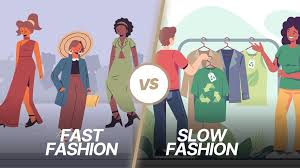
The clothes we wear have a story—how they’re made, who makes them, and the impact they have on the planet. In today’s fashion landscape, two opposing models define the industry: fast fashion and slow fashion.
Understanding the difference between the two isn’t just about style—it’s about sustainability, ethics, and mindful consumption.
👗 What Is Fast Fashion?
Fast fashion is a business model that prioritizes mass production of low-cost, trend-based clothing with a quick turnaround from runway to retail.
Key Characteristics:
- Cheap, trendy garments that mimic high fashion
- Rapid production cycles (new collections every few weeks)
- Low-quality materials that wear out quickly
- Exploitive labor practices, often in developing countries
- High environmental impact (pollution, waste, overproduction)
Pros:
- Affordable and accessible
- Constant variety and new styles
- Keeps up with current trends
Cons:
- Poor quality and short garment lifespan
- Massive waste (clothing often discarded after few wears)
- High carbon and water footprint
- Unethical labor and unsafe working conditions
Examples of Fast Fashion Brands: Shein, Zara, H&M (in their traditional lines), PrettyLittleThing, Fashion Nova
🧶 What Is Slow Fashion?
Slow fashion is a movement focused on thoughtful design, ethical production, and long-lasting quality. It emphasizes buying less, choosing better, and supporting sustainable practices.
Key Characteristics:
- Timeless designs over fleeting trends
- Ethical production with fair wages and safe working conditions
- High-quality, sustainable materials (like organic cotton, hemp, linen)
- Fewer collections released per year
- Focus on longevity and craftsmanship
Pros:
- Better for the planet (less waste and pollution)
- Supports ethical labor
- Garments last longer and wear better over time
- Encourages mindful, intentional consumption
Cons:
- Higher price point (due to fair wages and quality materials)
- Less variety and trend-chasing
- Requires patience—slower production cycles
Examples of Slow Fashion Brands: Patagonia, Eileen Fisher, Reformation, Thought Clothing, People Tree, MUD Jeans